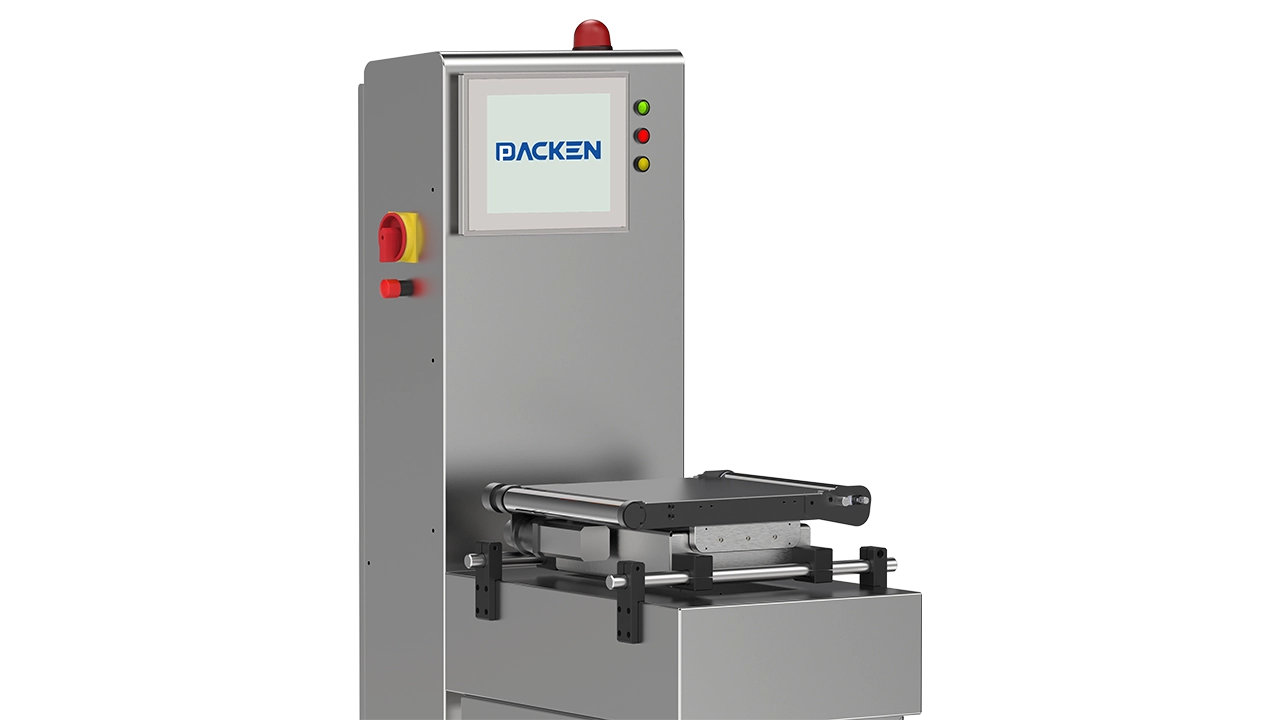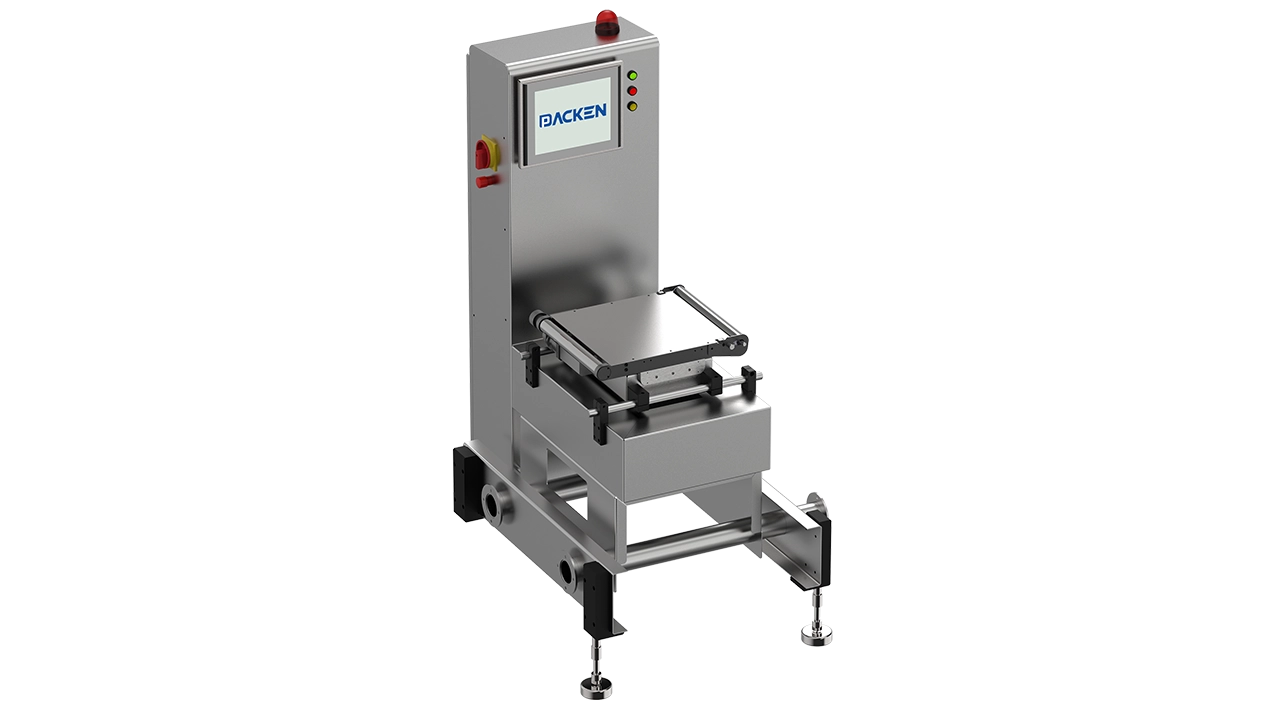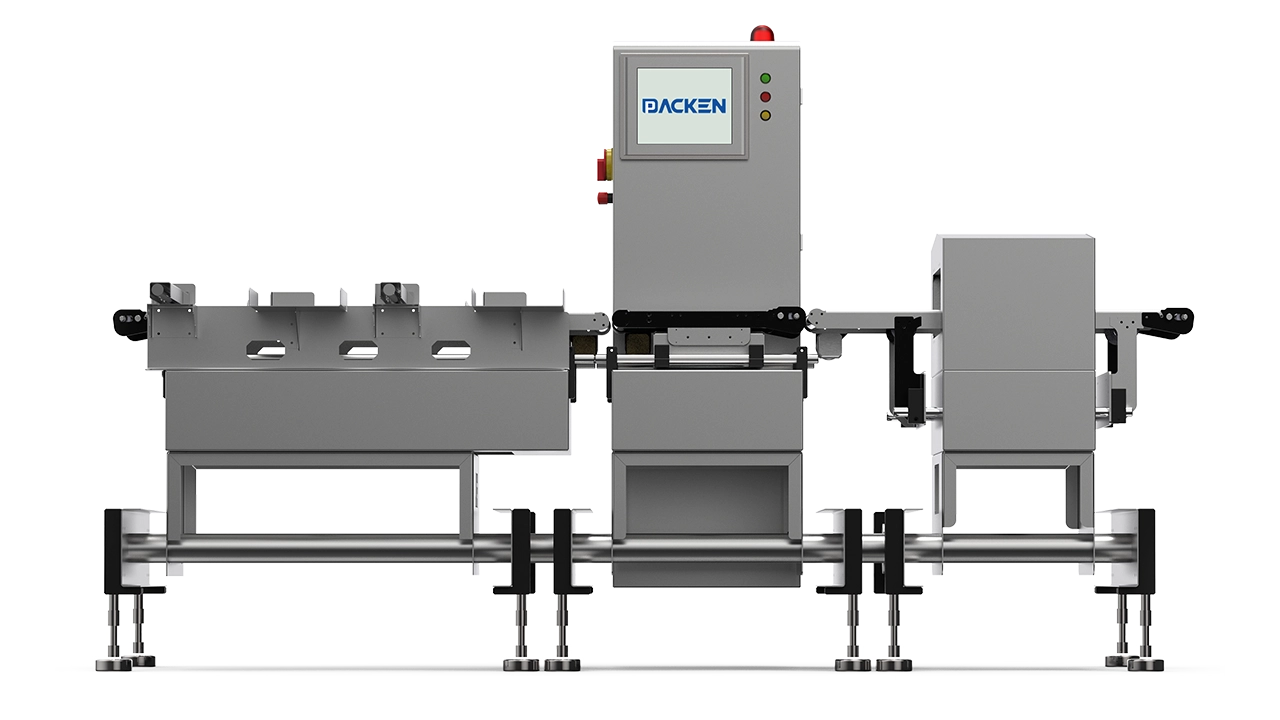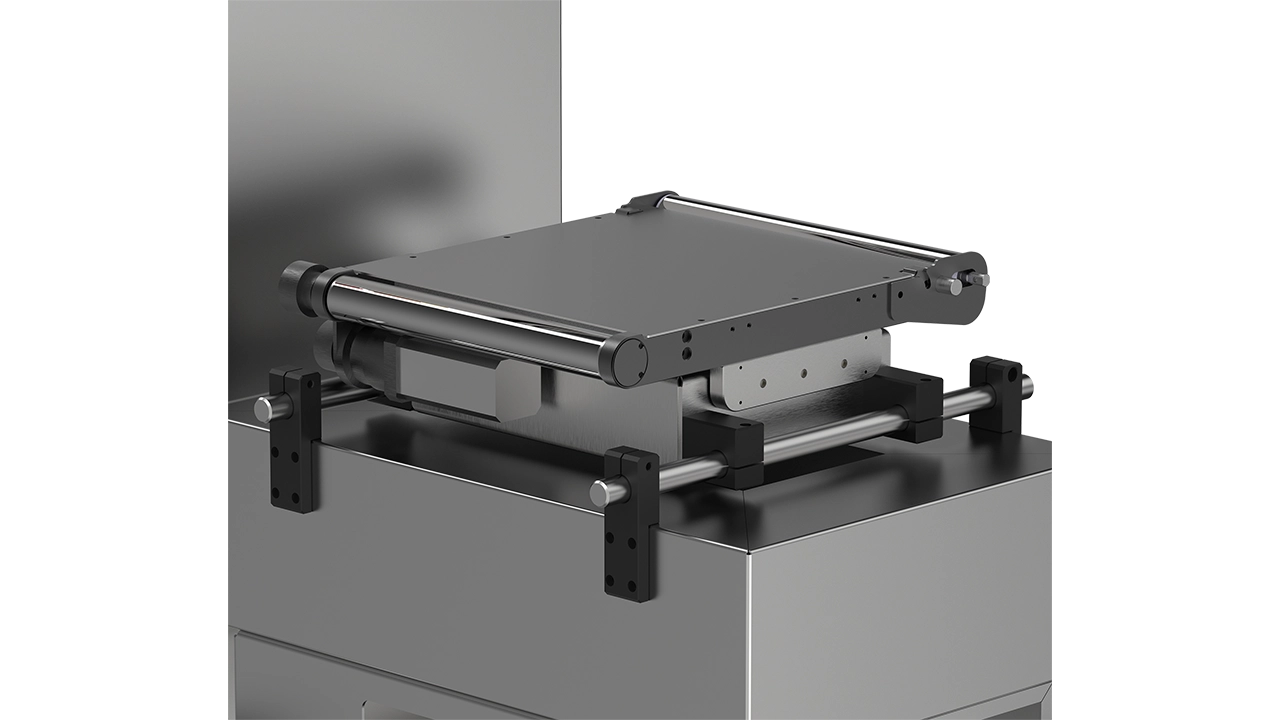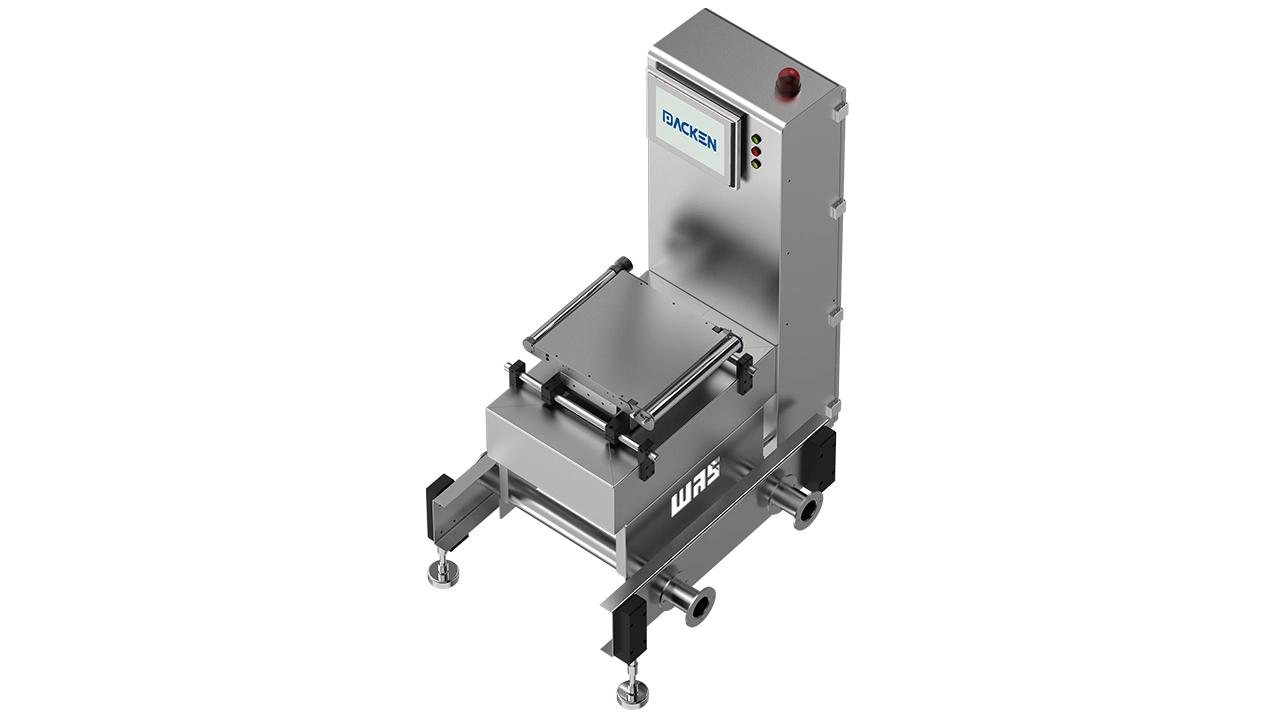
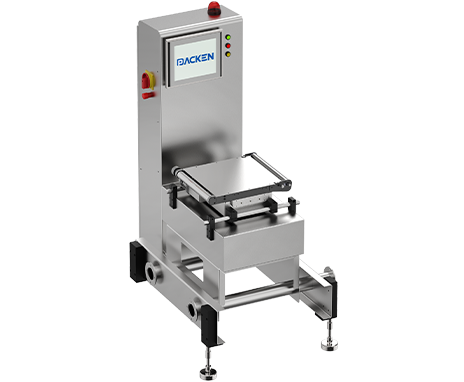

Checkweigher
CheckPoint – CHW-500
Every Gram Counts, Every Product Matters.
چک ویرها معمولاً به دو دسته چکویر درحرکت (دینامیک) یا ثابت (استاتیک) تقسیم میشوند که در ادامه به بررسی هر یک از آنها میپردازیم:
انواع مختلفی از چک ویرهای در حرکت (In-Motion) وجود دارند. این چکویرها محصولات را در حین حرکت، روی نوار نقاله، از لحاظ وزنی، بررسی و در صورت مغایرت با تلرانس تنظیمی ، اکشن مورد نظر را انجام می دهند. که این ویژگی مشترک انواع مختلف آنها است.
چک ویرها می توانند محصولات را در محدوده وزنی مدنظر شما، بررسی نمایند.روش کار به این صورت است که محصول از طریق نوار نقاله به روی ترازو هدایت میشود و با توجه به وزن آن، در صورتی که در محدوده وزنی باشد (تلرانس مجاز)، روی نوار نقاله به جلو میرود و فرآیند تولید ادامه مییابد و در غیر اینصورت از خط اصلی منحرف میشود تا عمل مورد نظر روی آنها انجام شود. چک ویرهای درحرکت با نامهای توزین نوارنقالهای، ترازوی درحرکت، ترازوی نوارنقاله، ترازوی خط تولید یا ترازوی دینامیک نیز شناخته میشوند.
در چک ویر ثابت (Static)، اپراتور باید محصول را روی ترازو بگذارد و نشانگر ترازو را برای بررسی وزن کم، قابلقبول یا زیاد بخواند و تصمیم بگیرد که کالا را در تولید نگه دارد یا آن را کنار بگذارد. هر ترازویی را میتوان بهعنوان چک ویر ثابت استفاده کرد، اما بیشتر تولیدکنندگان، ترازوهای نیمکتی یا زمینی خاصی را بهعنوان چک ویر استفاده میکنند. این مدلها معمولاً به چراغهای زرد/سبز/قرمز مجهز هستند تا بهصورت بصری نشان دهند که آیا وزن کالا پایینتر از حد مجاز، برابر یا بیشتر از آن است.

در چک ویر با مقایسه وزن محصول شما با محدوده وزنیای که مشخص کردهاید، کار میکند. بهعنوان مثال، اگر محصول شما باید 100 گرم وزن داشته باشد و تلرانس مجاز برای محصول در صفحه تنظیمات آن 5 گرم وارد شده باشد، محصول مجاز است تا محدوده وزنی بین 95 تا 105 گرم داشته باشد، در غیر اینصورت از ادامه چرخه تولید حذف می گردد.
چک ویر بهویژه در صنایع غذایی مفید است چون که در آنها بسته بندی و نیازهای تغذیهای به وزن صحیح محصول شما بستگی دارد.
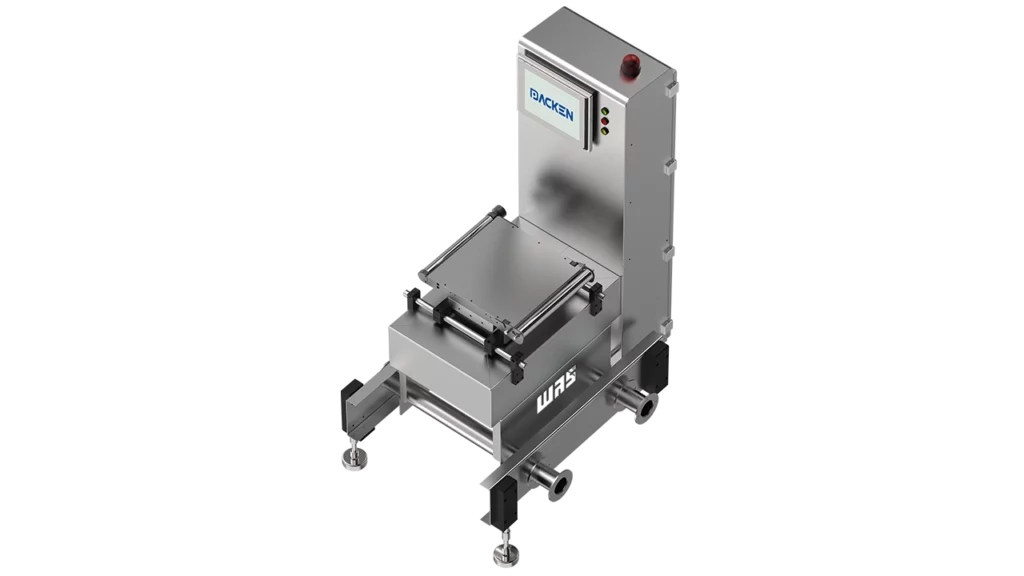
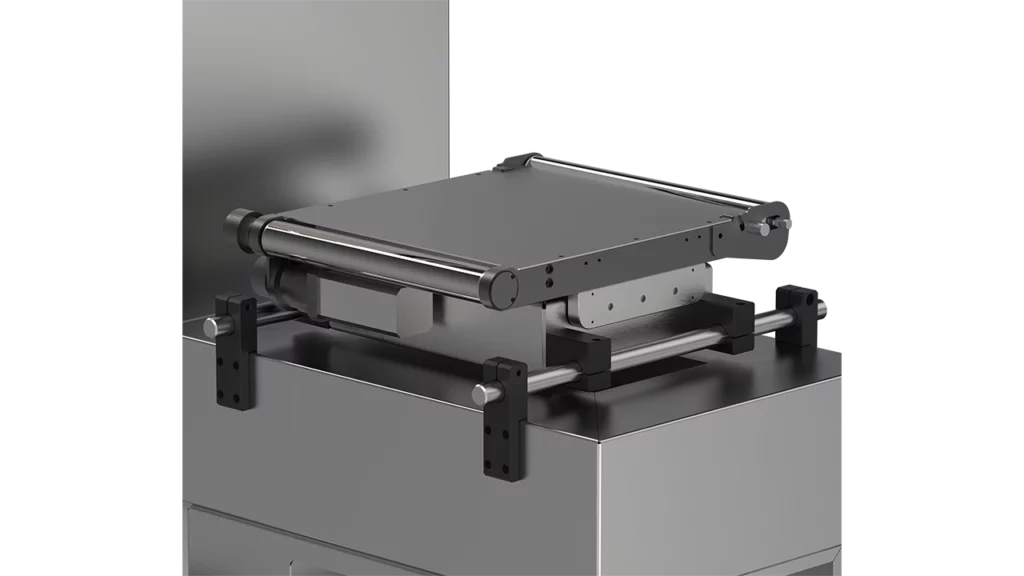
اکثر چک ویرها دارای یک نمایشگر یا نشانگر هستند که نتیجه بررسی وزن را نشان میدهد. چک ویر از قسمتهای زیر تشکیل میشود:
اکثر چک ویرها با خطوط تولید و سیستمهای نوار نقاله موجود مطابقت دارند تا بتوانید آنها را جهت اتوماتیک کردن فرآیند توزین در کارخانه خود پیادهسازی کنید.
این دستگاه در مراحل مختلف فرآیند تولید استفاده میشود. این مراحل شامل پیشتولید و تولید نیز میشوند تا اطمینان حاصل کنید که مقادیر وزنی مناسبی از مواد اولیه برای محصولات خود استفاده کردهاید. درنهایت بستههای محصولات را وزن میکند تا نیازهای مشتری را برآورده کند.
چک ویرها کاربردهای متنوعی دارند که به شرح ذیل میباشند:
طیف گستردهای از محصولات را میتوانند وزن کنند، از مواد غذایی بسته بندی شده و غلات کیسهای گرفته تا بطریهای شیشهای. بررسی وزن میتواند تعداد صحیح اقلام در یک جعبه، تعداد صحیح جعبه در یک کارتن، و تعداد صحیح کارتنها در یک پالت را تعیین کند. بهعنوان مثال، صنعت نوشیدنی، کیسهها و قوطیها را وزن میکند تا مطمئن شود که آنها قبل از پر کردن، کاملاً خالی بوده و پس از پر شدن، در محدوده وزنی مجاز هستند.
چک ویرها محدوده وزنی مجاز محصولات را بررسی میکنند. برای مثال، یک شرکت قالب گیری تزریقی میتواند با استفاده از چک ویر برای وزن کشی هر قطعه در هنگام خارج شدن از قالب، محصول تولیدی نامناسب را تشخیص دهد. در فرآیند روکش کردن نیز کیفیت و ضخامت پوشش را میتوان با وزن اضافی تأیید کرد.
ترکیبی از اقلام مختلف را میتوان بر اساس وزن دسته بندی کرد و برای اهداف مختلفِ طبقه بندی یا درجه بندی به ایستگاه بسته بندی مربوطه هدایت کرد. بهعنوان مثال، محصولات با وزن متغیر مانند میوهها و سبزیها را میتوان با استفاده از چک ویر طبقهبندی کرد و تنظیمات را بهگونهای انجام داد تا محصول را به ایستگاه مناسب هدایت کند.
اقلام با وزنهای مختلف را میتوان بهطور خودکار توسط سیستم چک ویر شناسایی کرد. برای مثال، فرآیندهای مونتاژ از چک ویر استفاده میکنند تا تأیید کنند که قطعات صحیح، تحویل داده شدهاند.
راهحلهای استیل غرب آسیا، با افزایش بهره وری و ارزش در سراسر زنجیره تأمین، بازگشت سرمایهگذاری سریعتری را ارائه میدهند. محصولات ما دارای نصب، تنظیم، راهاندازی و بهرهبرداری آسان بوده و برای حفظ و نگهداری، و همچنین صرفه جویی در زمان، هزینه، مواد اولیه یا محصول نهایی ایمنتر هستند.
چک ویرها برای طیف گستردهای از محصولات و کاربردهای صنعتی، ازجمله بخشهای غذایی و غیرغذایی کاربرد دارند.
چند نمونه از صنایعی که از چکویر استفاده میکنند عبارتاند از:
اساساً در هر خط تولیدی، از چک ویر استفاده میشود تا از هماهنگی وزن محصولِ در حال تولید با محدودیتهای تعیینشده اطمینان حاصل شود.
همچنین برای اهداف کنترل کیفیت مفید است و هنگام اضافه وزن یک محصول به دلیل آلودگی ناخواستهای که به داخل کالا راه پیدا کرده است، به شما هشدار میدهد. بااینحال، نباید از چک ویر برای اهداف بازرسی بهتنهایی استفاده شود. چک ویرها فقط آلاینده هایی را پیدا میکنند که بر وزن تأثیر میگذارند، بنابراین ذرات با چگالی کم را شناسایی نمیکنند. درواقع باید از سیستمهای چک ویر ترکیبی استفاده کنید که برای بهبود بررسیهای کیفی شما از تشخیص فلز یا اشعه ایکس استفاده میکنند.
بسیاری از مدلهای چک ویر در بازار موجودند که متناسب با نیازهای محصولات مختلف طراحی شدهاند. بنابراین، یافتن راهحلی که متناسب با نیازهای منحصربه فرد شما باشد، بسیار مهم است. بهعنوان مثال، اگر با محصولات تازه یا منجمد کار میکنید به سیستمهای ضدآب نیاز دارید.
همچنین میتوانید دستگاههای مختلف را از نظر سرعت، دقت، استاندارد IP (میزان مقاومت در برابر نفوذ گرد و غبار و رطوبت) و سهولت بهداشت و نگهداری با هم مقایسه کرده تا انتخاب مناسبی برای خطوط تولید خود پیدا کنید.
ترکیب چک ویر با فرآیندهای تولید، مزایای بسیاری را به همراه دارند. در ادامه برخی از مهمترین آنها را بیان میکنیم:
چک ویر جایگاه مهمی در خط تولید شما دارد و به شما این امکان را میدهد که اقلام را در هر مرحله از فرآیند تولید، وزنکشی و بررسی کنید. این دستگاه با ظرفیت گسترده و طیف وسیعی از مدلهای موجود، تقریباً برای هر کارخانهای، صرفنظر از صنعتی که در آن کار میکنند، قابل استفاده است.
اگر به دنبال نصب چک ویر در کارخانه خود هستید، استیل غرب آسیا گزینه ایدهآلی را برای شما دارد. ما انواع مختلفی از سیستمها ازجمله مدلهای مقاوم در برابر رطوبت و ترکیبی را متناسب با نیاز محصولات شما به فروش میرسانیم. چک ویرهای ما با سیستمهای نوار نقاله موجود سازگار هستند تا به شما کمک کنند آنها را بهراحتی در خط تولید خود پیادهسازی کنید.
ما در راهاندازی چک ویر به شما کمک میکنیم، کارکنانتان را آموزش میدهیم و از دستگاه شما نگهداری میکنیم تا عمر بیشتری داشته باشد. برای کسب اطلاعات بیشتر درخصوص نقش چک ویر و مزایای استیل غرب آسیا برای شرکتتان با ما تماس بگیرید تا کارشناسان ما شما را راهنمایی کنند.