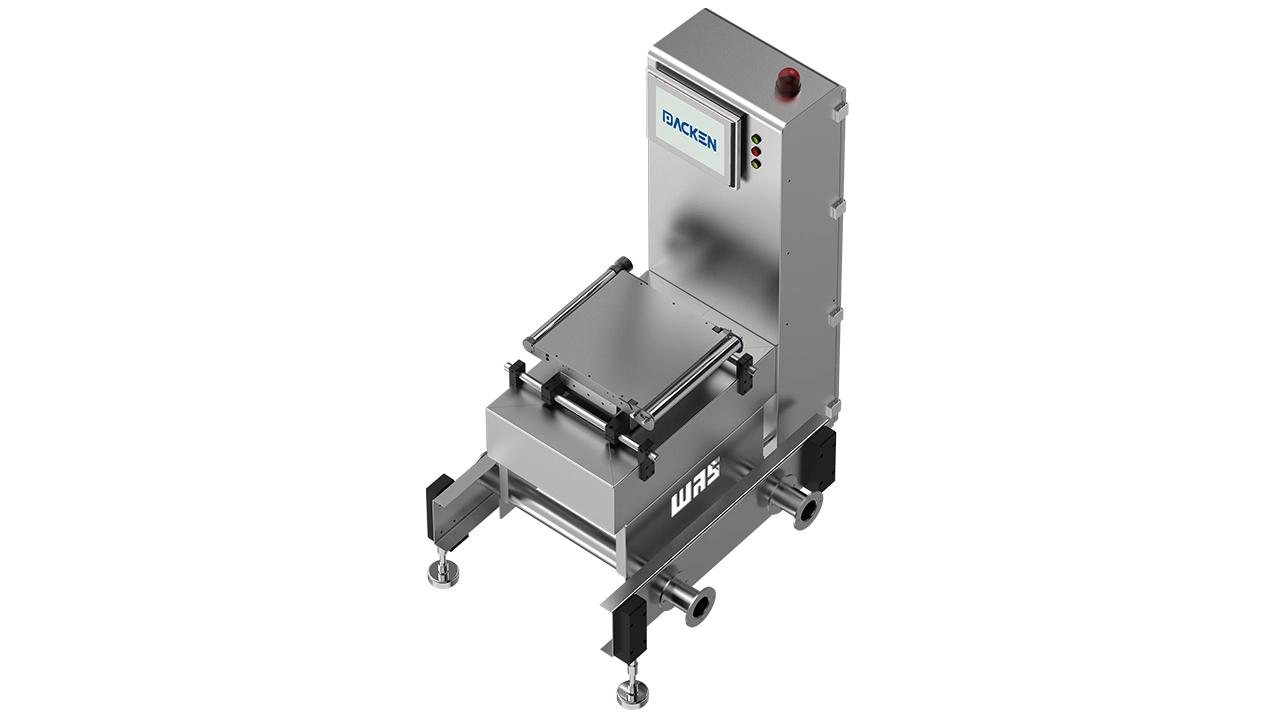
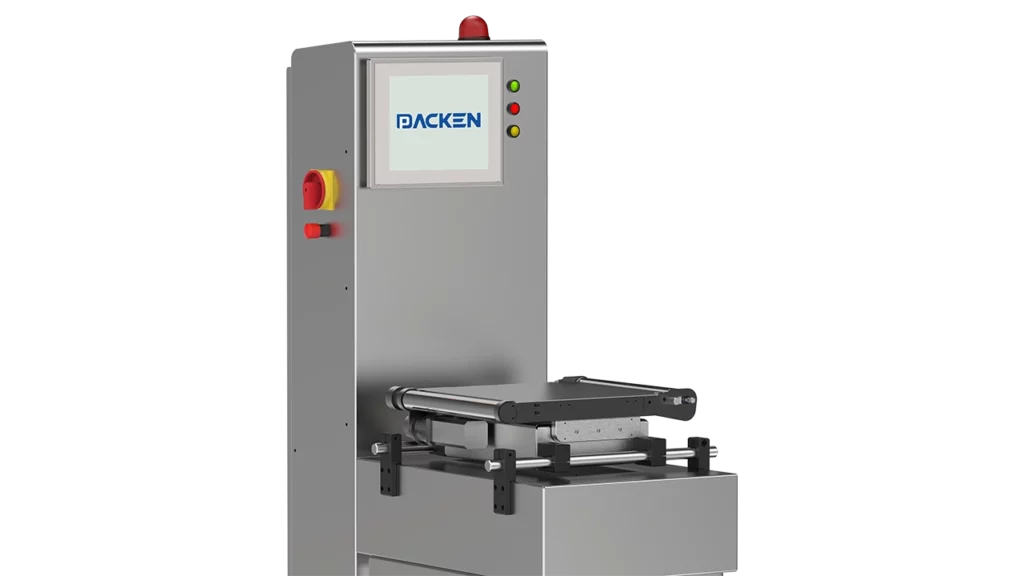
Check weigher werden in der Regel in zwei Kategorien unterteilt: dynamische (In-Motion) und statische Checkweigher. Im Folgenden betrachten wir beide Typen:
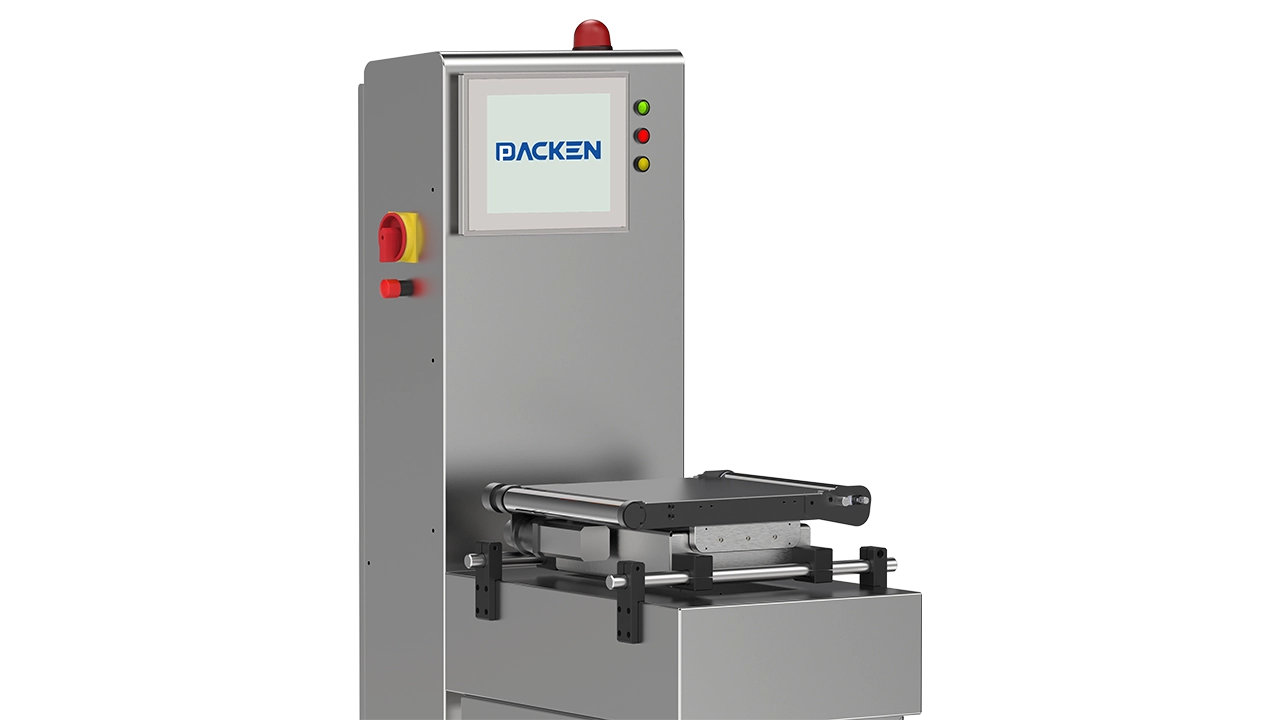
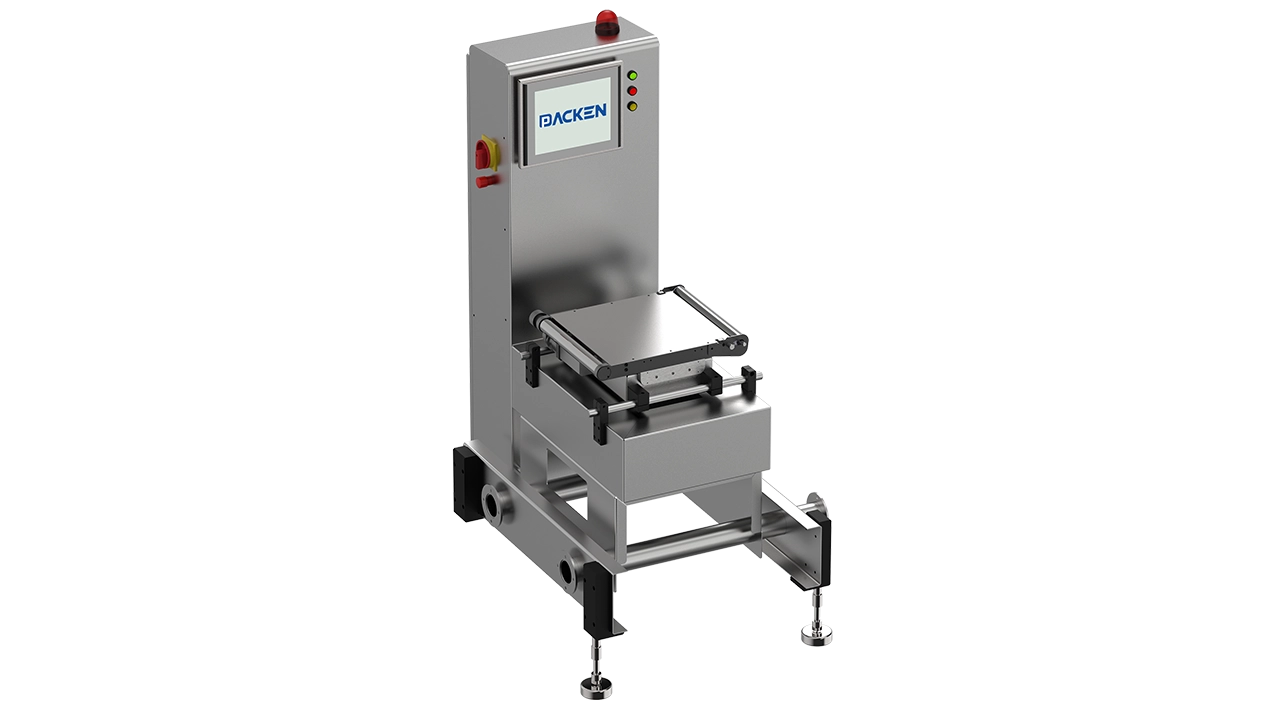
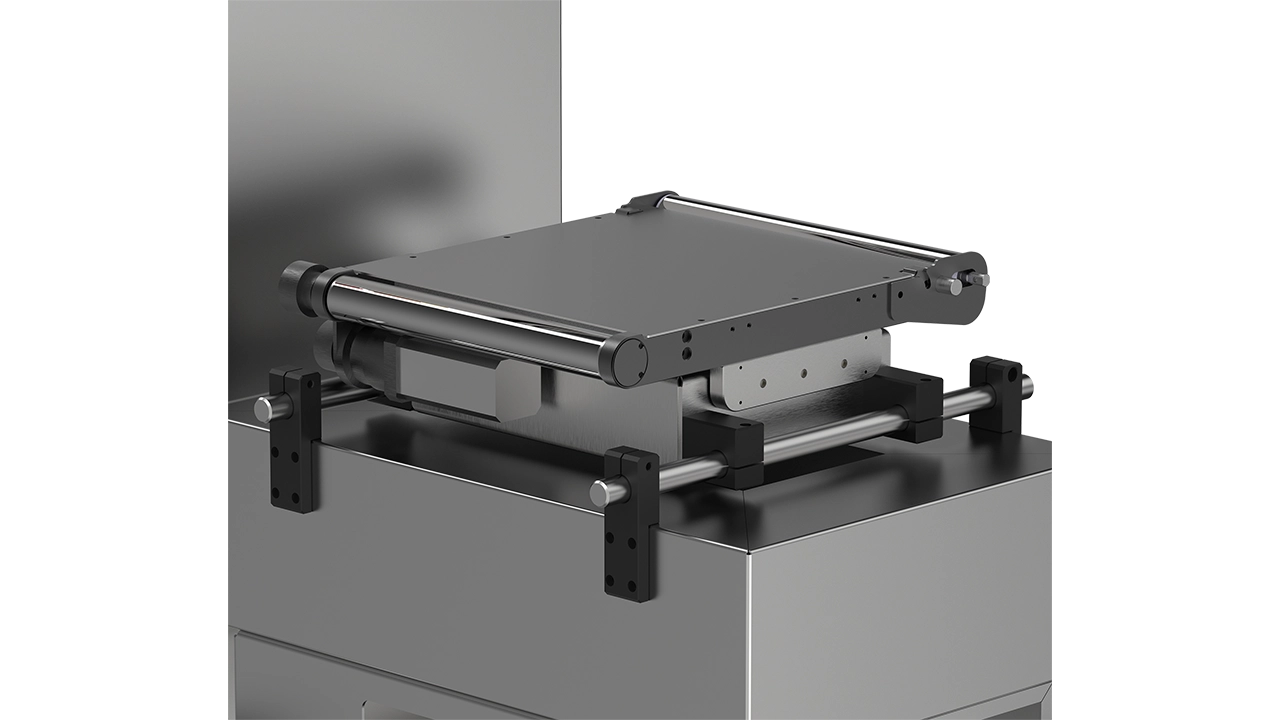
Es gibt verschiedene Arten von dynamischen Checkweighern. Diese Geräte prüfen das Gewicht der Produkte während der Bewegung auf einem Förderband. Wenn das Gewicht von der voreingestellten Toleranz abweicht, ergreift das Gerät die erforderliche Maßnahme. Diese Funktion ist allen Arten von dynamischen Checkweighern gemeinsam.
Checkweigher sorgen dafür, dass Produkte innerhalb des gewünschten Gewichtsbereichs bleiben. Der Prozess funktioniert wie folgt: Das Produkt wird über das Förderband auf die Waage transportiert. Liegt das Gewicht innerhalb der zulässigen Toleranz, bewegt es sich weiter und der Produktionsprozess läuft weiter. Andernfalls wird es aus der Hauptlinie herausgeleitet, um eine entsprechende Maßnahme zu ermöglichen. Dynamische Checkweigher sind auch als Förderbandwaagen, In-Motion-Waagen, Förderwaagen, Produktionslinienwaagen oder dynamische Waagen bekannt.
Bei einem statischen Checkweigher muss der Bediener das Produkt manuell auf die Waage legen und das Display ablesen, um zu entscheiden, ob das Gewicht zu niedrig, akzeptabel oder zu hoch ist. Basierend auf dieser Information entscheidet der Bediener, ob das Produkt in der Produktion bleibt oder aussortiert wird. Jede Waage kann als statischer Checkweigher verwendet werden, jedoch setzen die meisten Hersteller spezielle Tisch- oder Bodenwaagen für diesen Zweck ein. Diese Modelle sind normalerweise mit gelben, grünen und roten Anzeigeleuchten ausgestattet, um visuell anzuzeigen, ob das Gewicht des Produkts unter, innerhalb oder über dem zulässigen Bereich liegt.

Wie funktioniert ein Checkweigher?
Ein Checkweigher funktioniert, indem er das Gewicht Ihres Produkts mit dem vordefinierten Gewichtsbereich vergleicht. Wenn Ihr Produkt beispielsweise 100 Gramm wiegen soll und die zulässige Toleranz auf 5 Gramm eingestellt ist, ist das Produkt im Gewichtsbereich von 95 bis 105 Gramm akzeptabel. Andernfalls wird es aus dem Produktionszyklus entfernt.
Checkweigher sind besonders nützlich in der Lebensmittelindustrie, da dort Verpackung und ernährungsbezogene Anforderungen vom richtigen Produktgewicht abhängen.
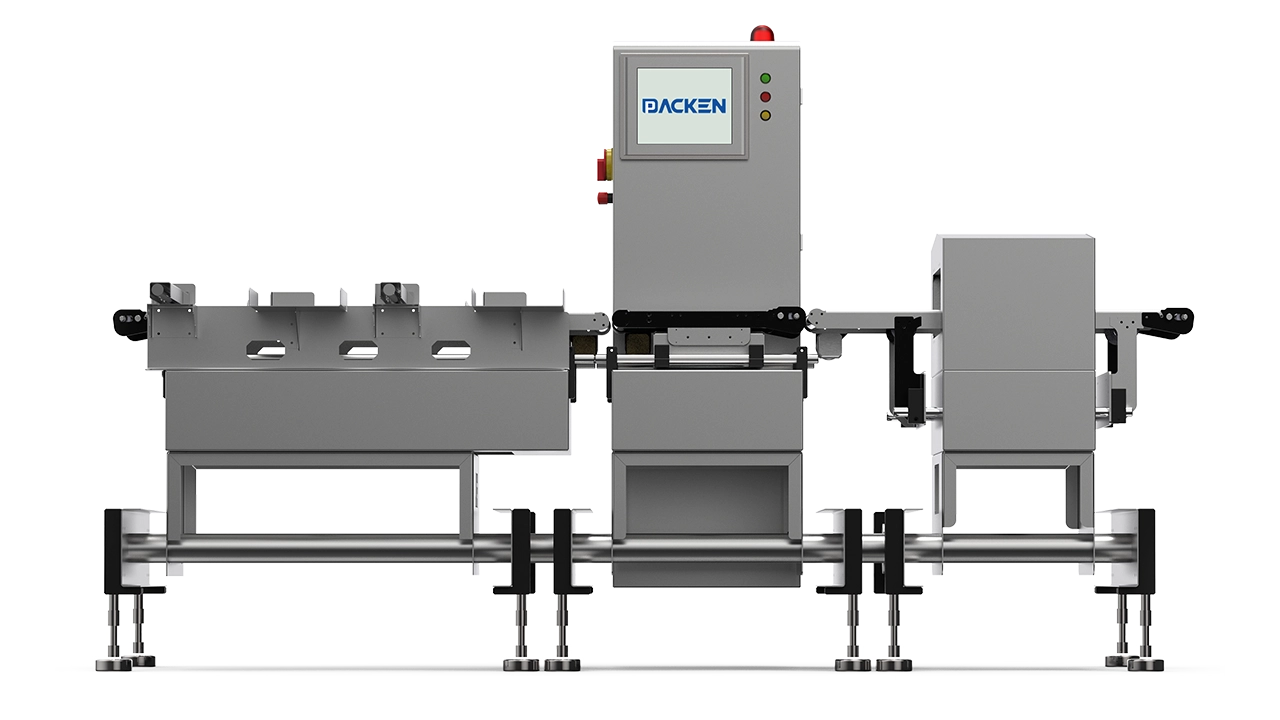
Die meisten Checkweigher verfügen über ein Display oder eine Anzeige, die die Ergebnisse der Gewichtskontrolle anzeigt. Ein Checkweigher besteht aus folgenden Komponenten:
Die meisten Checkweigher sind mit bestehenden Produktionslinien und Fördersystemen kompatibel, sodass sie problemlos zur Automatisierung des Wägeprozesses in Ihrer Fabrik integriert werden können.
Dieses Gerät wird in verschiedenen Produktionsstufen eingesetzt, einschließlich der Vorproduktion und der eigentlichen Produktion, um sicherzustellen, dass das richtige Gewicht an Rohstoffen für Ihre Produkte verwendet wird. Schließlich wiegt es die fertigen Produktverpackungen, um die Kundenanforderungen zu erfüllen.
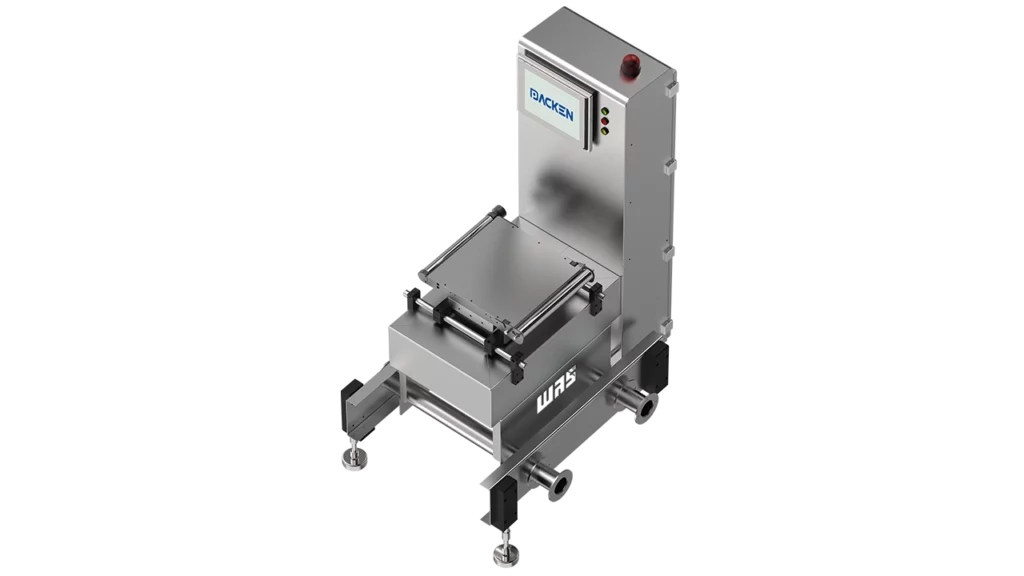
Checkweighers have a wide range of applications, which are described as follows:
Checkweighers can weigh a wide variety of products such as packaged foods, bagged goods and glass bottles. They check weight to ensure the correct number of items are in a box, the correct number of boxes in a carton and the correct number of cartons on a pallet. For example, the beverage industry weighs bags and cans to ensure they are completely empty before filling and are the allowable weight after filling.
Checkweighers check the allowable weight range of products. For example, a company that does injection molding can determine if a part is defective by weighing it as it leaves the mold. Also, in coating processes, the additional weight can confirm the quality and thickness of the coating.
Different items can be sorted by their weight and routed to the appropriate packing station for classification or sorting. For example, variable weight products such as fruit and vegetables can be categorized using checkweighers and the settings can be adjusted to route the product to the appropriate station.
Items with different weights can be automatically detected by a checkweigher system. For example, assembly processes use checkweighers to ensure the correct parts are delivered.
Packen’s solutions offer a faster return on investment through increased productivity and value creation along the supply chain. Our products are easy to install, configure, commission and maintain, saving time, costs and materials and ensuring a safer end product.
Checkweighers are suitable for a wide variety of products and industrial applications, both food and non-food. Some industries that use checkweighers are:
Essentially, a checkweigher is used in every production line to ensure that the weight of the product being manufactured complies with the set limits. They are also useful for quality control purposes as they will alert you if a product is overweight due to an unwanted contaminant. Nevertheless, checkweighers should not be used alone for inspection as they only detect contaminants that affect the weight. Lightweight particles will go undetected. Therefore, you should use combined checkweigher systems that also include metal detectors or X-ray systems to improve quality checks.
There are many checkweigher models on the market designed for different product requirements, so it is important to find a solution that is tailored to your exact needs. For example, if you work with fresh or frozen products, you will need waterproof systems.
Also, compare the devices in terms of speed, accuracy, IP standard (protection against dust and moisture) and ease of cleaning and maintenance to make the right choice for your production lines.
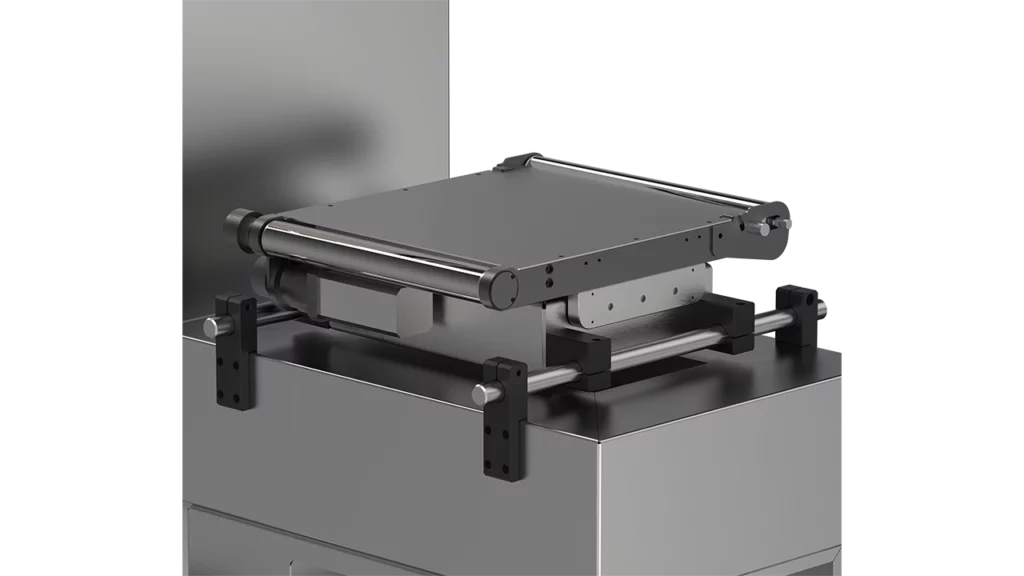
Integrating checkweighers into production processes offers numerous benefits. Some of the most important ones are listed below:
 Check weigher from Packen
Checkweighers play an important role in your production line as they allow you to weigh and check products at every stage of the production process. Thanks to the wide capacity and a variety of models available, they are suitable for almost any factory, regardless of the industry.
If you are planning to install a checkweigher in your plant, Packen offers the ideal solution for you. We sell various systems, including moisture-resistant and combined models, tailored to your product needs. Our checkweighers are compatible with existing conveyor systems, so you can easily integrate them into your production line.
We will assist you with the installation of the checkweigher, train your staff and offer maintenance services to extend the life of the equipment. For more information about the role of checkweighers and the benefits Packen can offer your company, contact us. Our experts are available to advise you