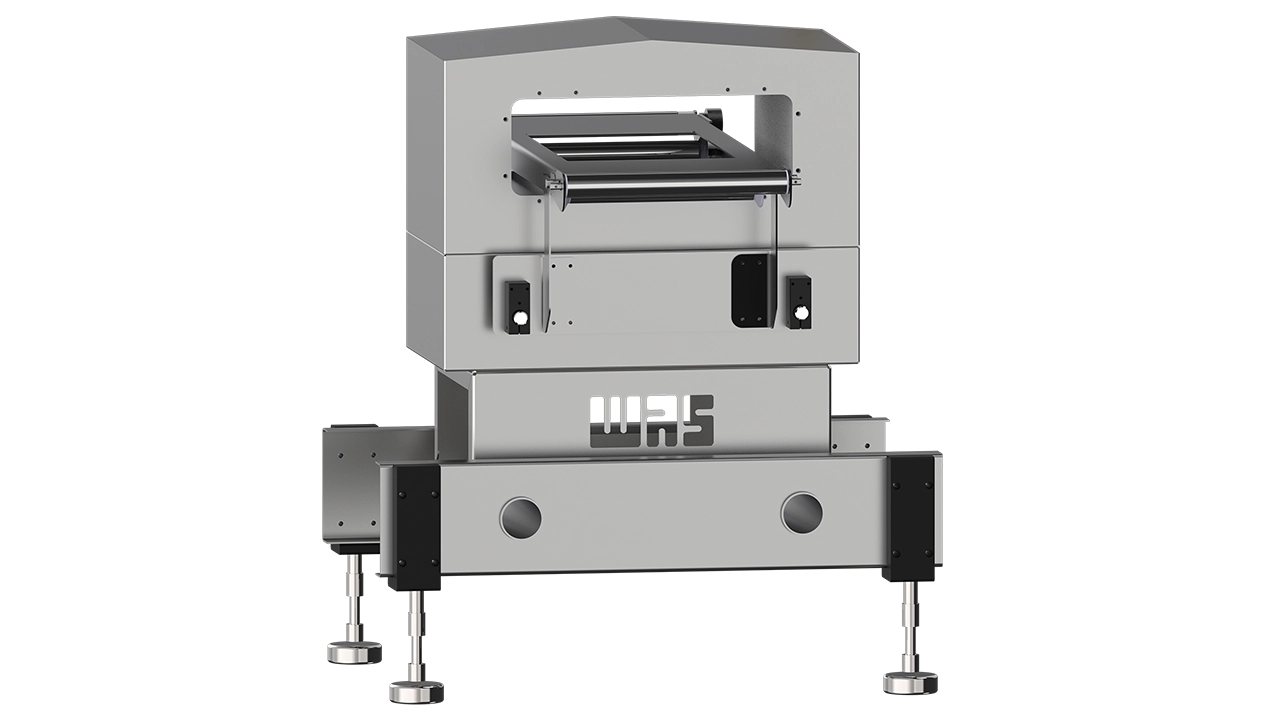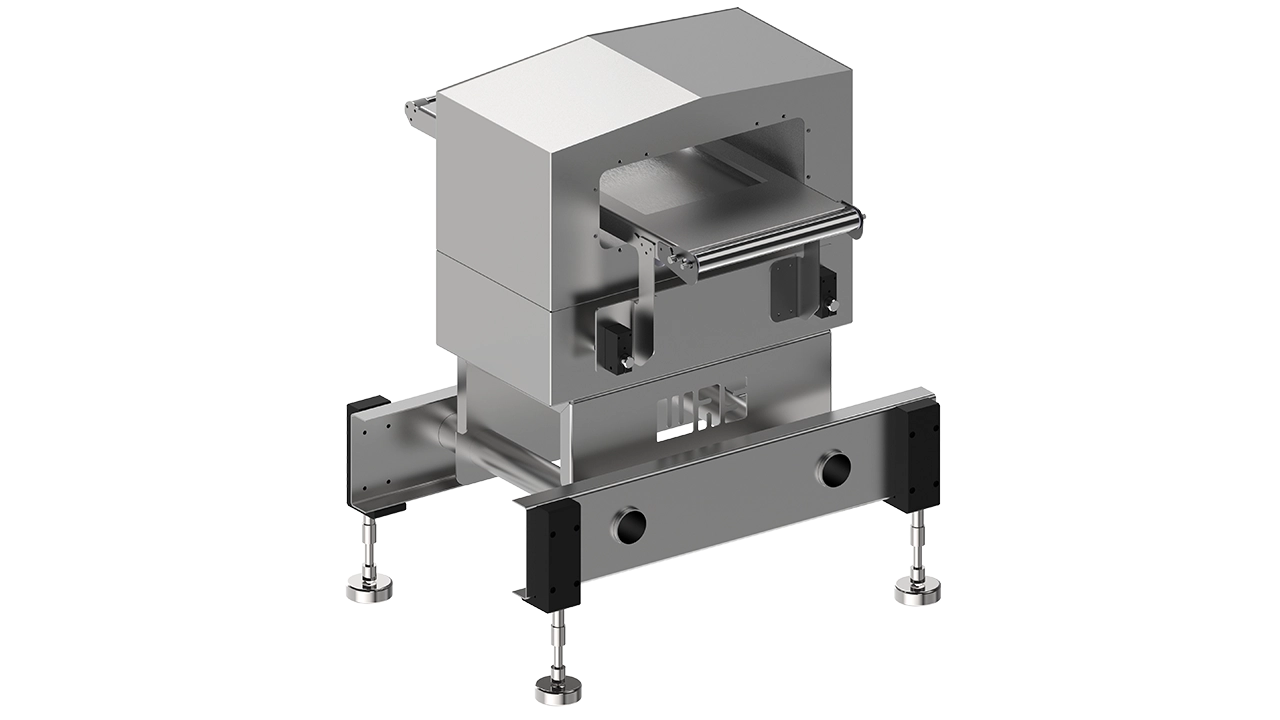

Metal Detector
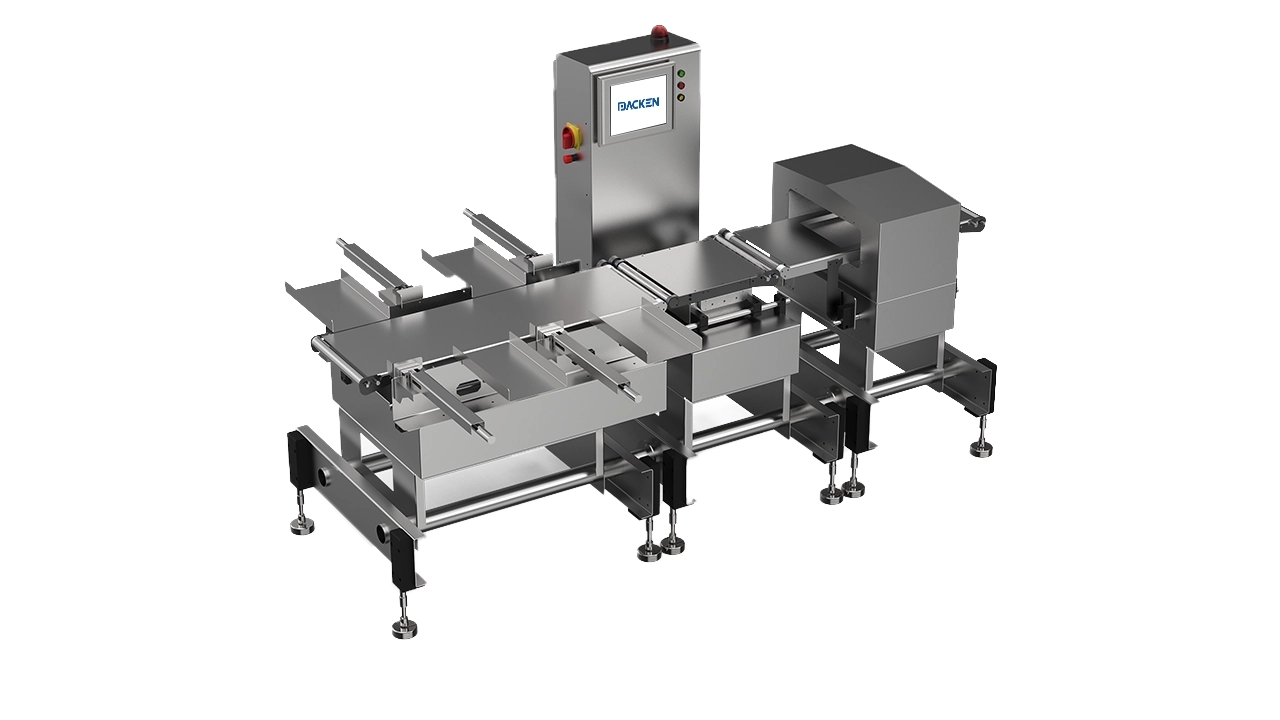
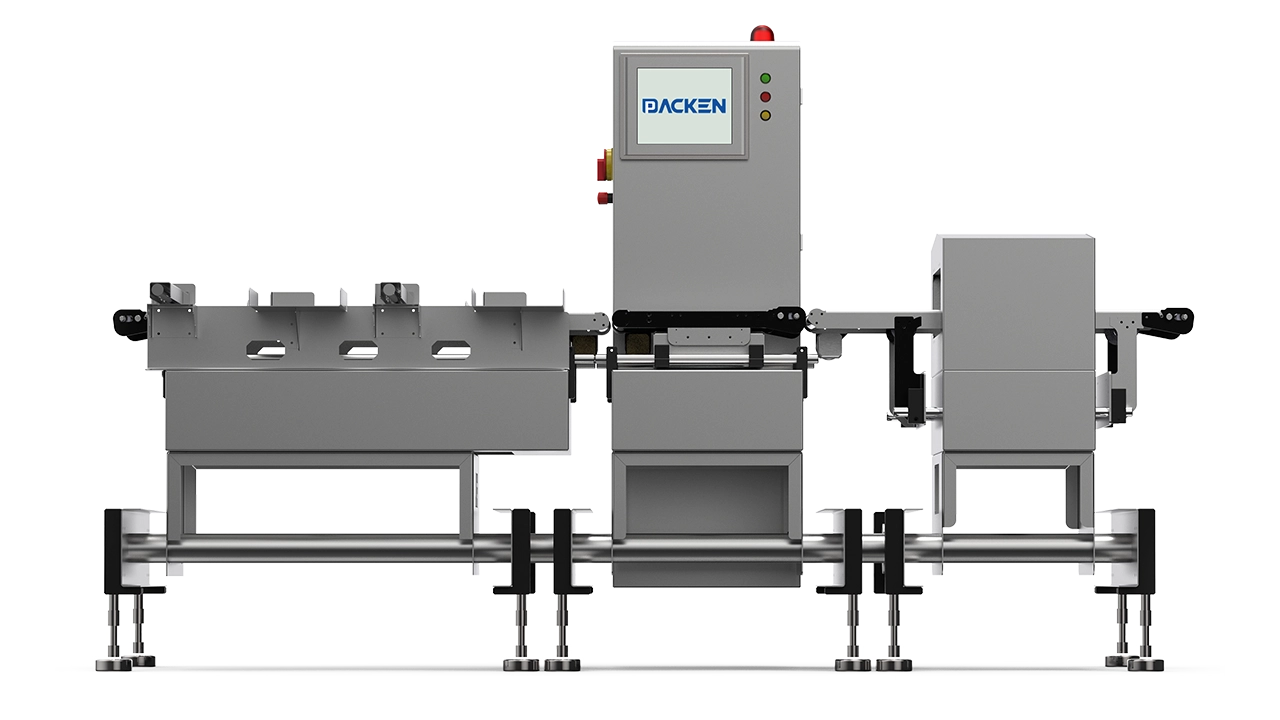
SafeMetal – MED-500
Metal Free, Total Protection.
متال دتکتور های امروزی به دو نوع تقسیم میشوند : سیستمهای کویل متوازن، که متال دتکتورهای عمومی هستند و از کویل ها و میدان های الکترونیکی استفاده میکنند؛ و سیستم های آهن در فویل، که از میدان های مغناطیسی قوی برای شناسایی آلاینده های مضر فلزی آهن دار (مغناطیسی، حاوی آهن) در محصولات استفاده میکنند.
در این نوع سیستم ها، مدل های مختلفی موجود است که برای انواع مختلف سیستم های تولید و ساخت طراحی شدهاند، از جمله:
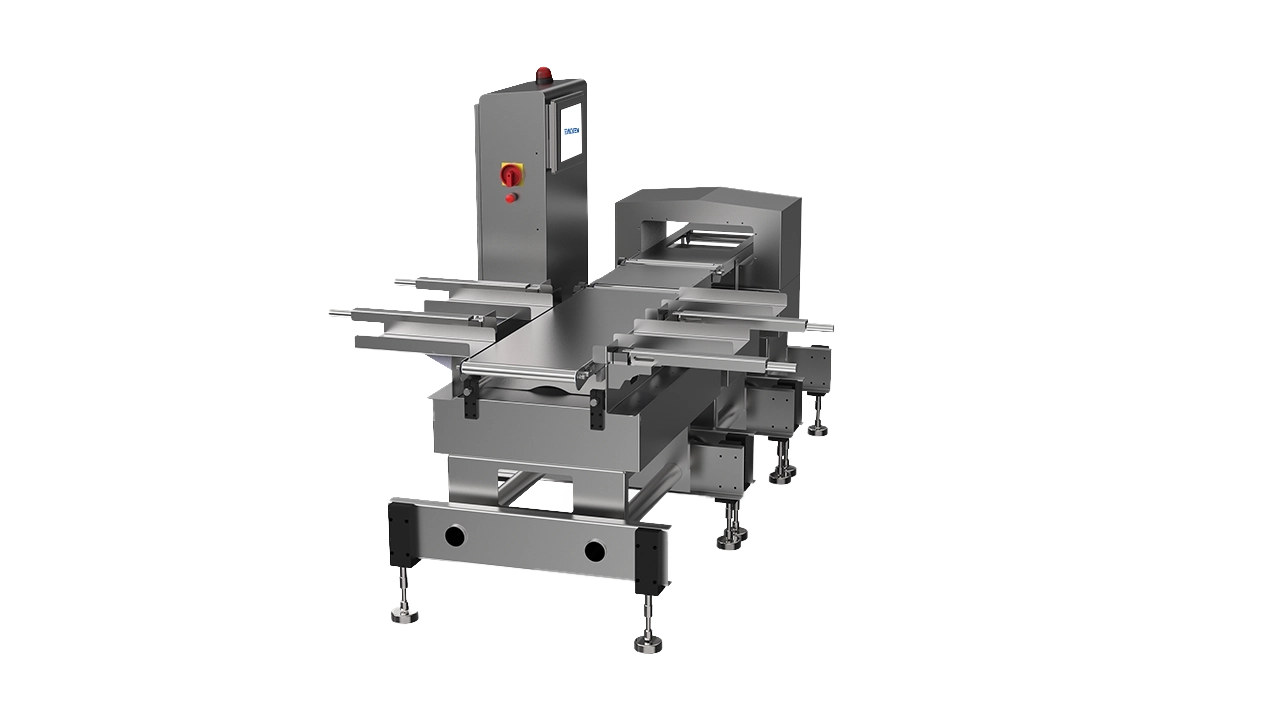
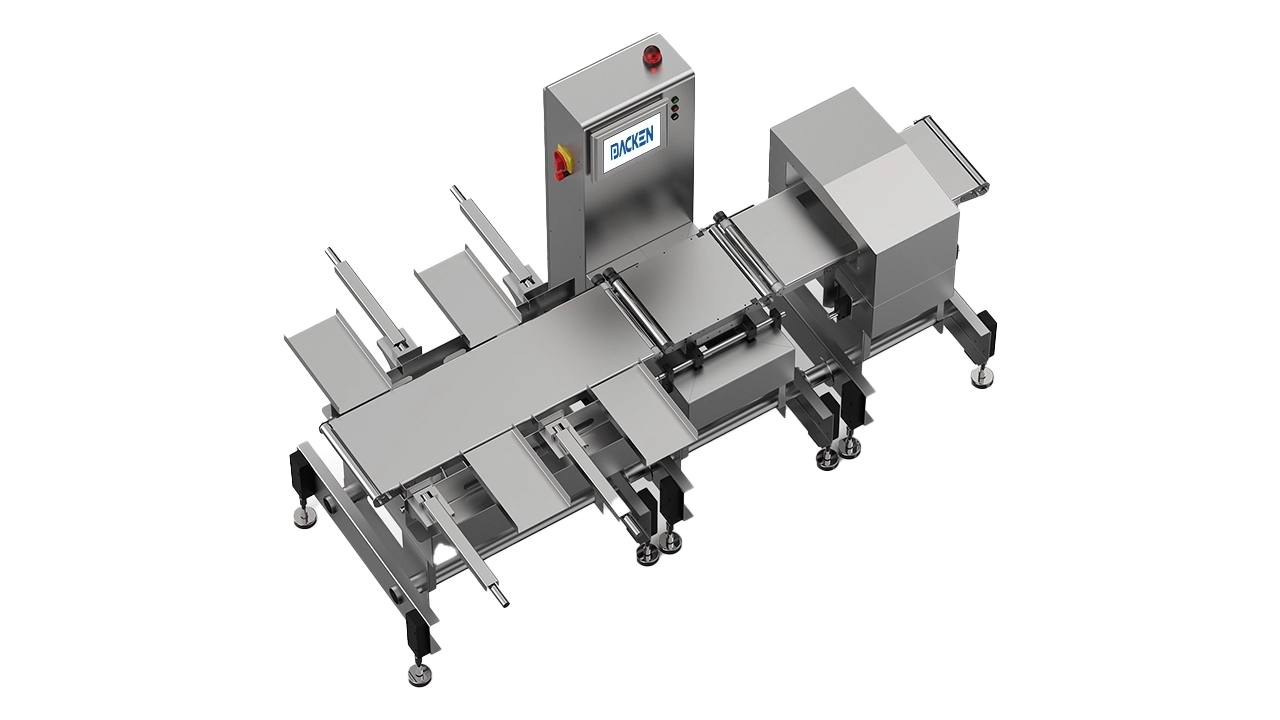
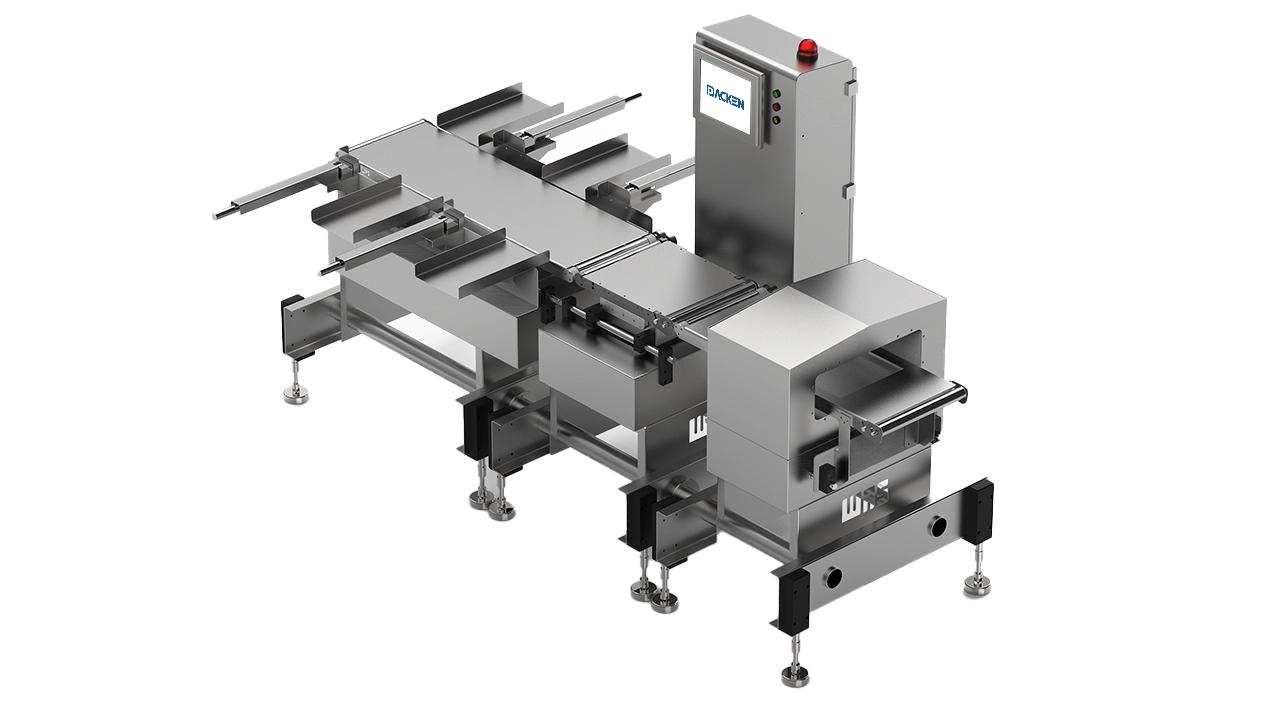
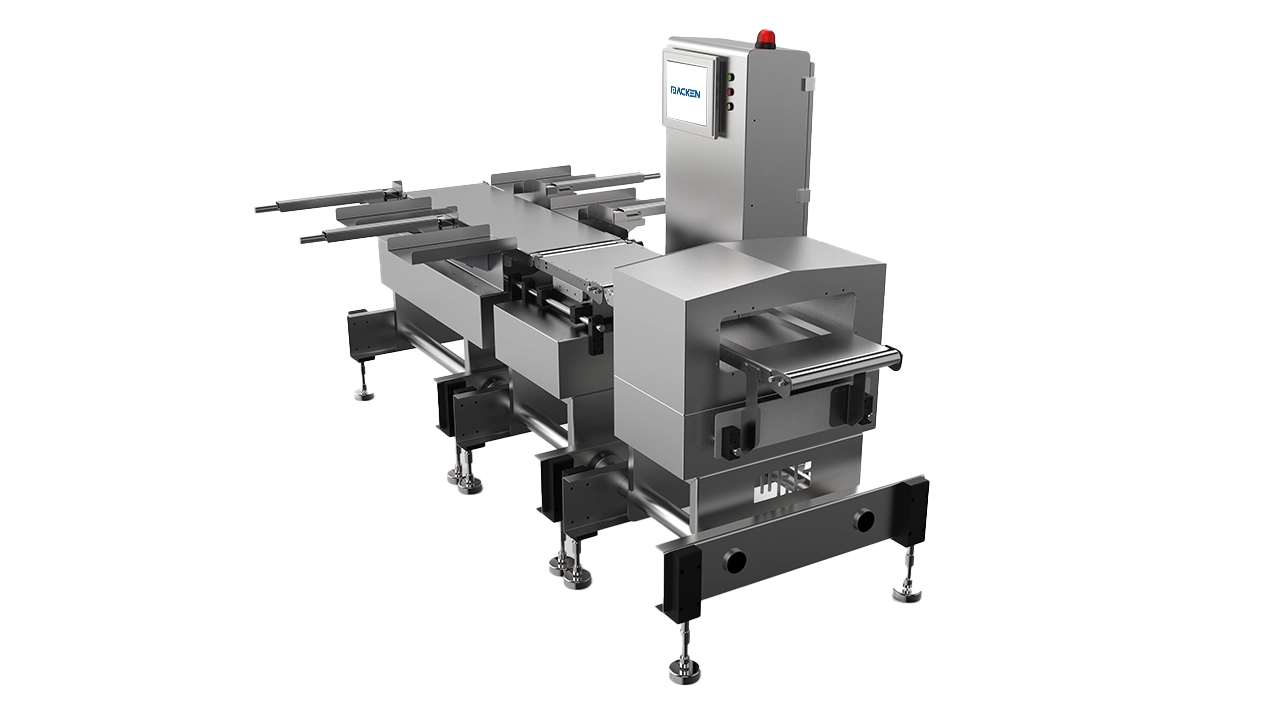
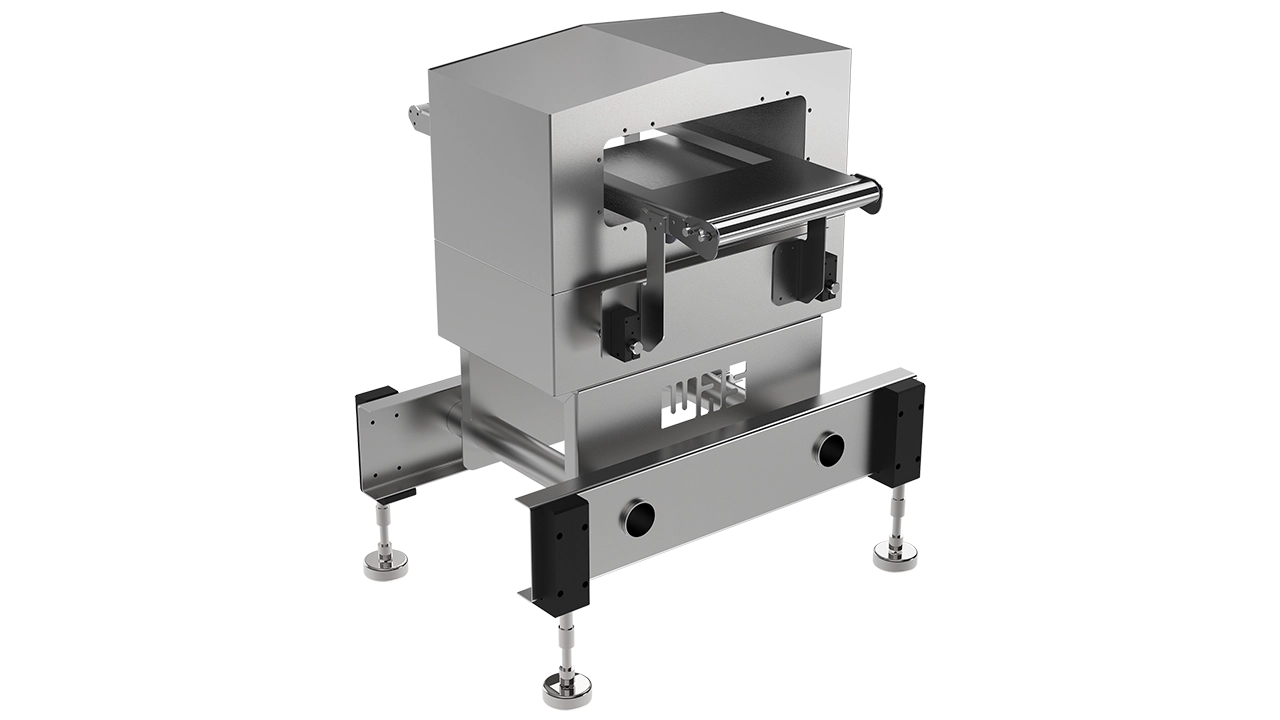
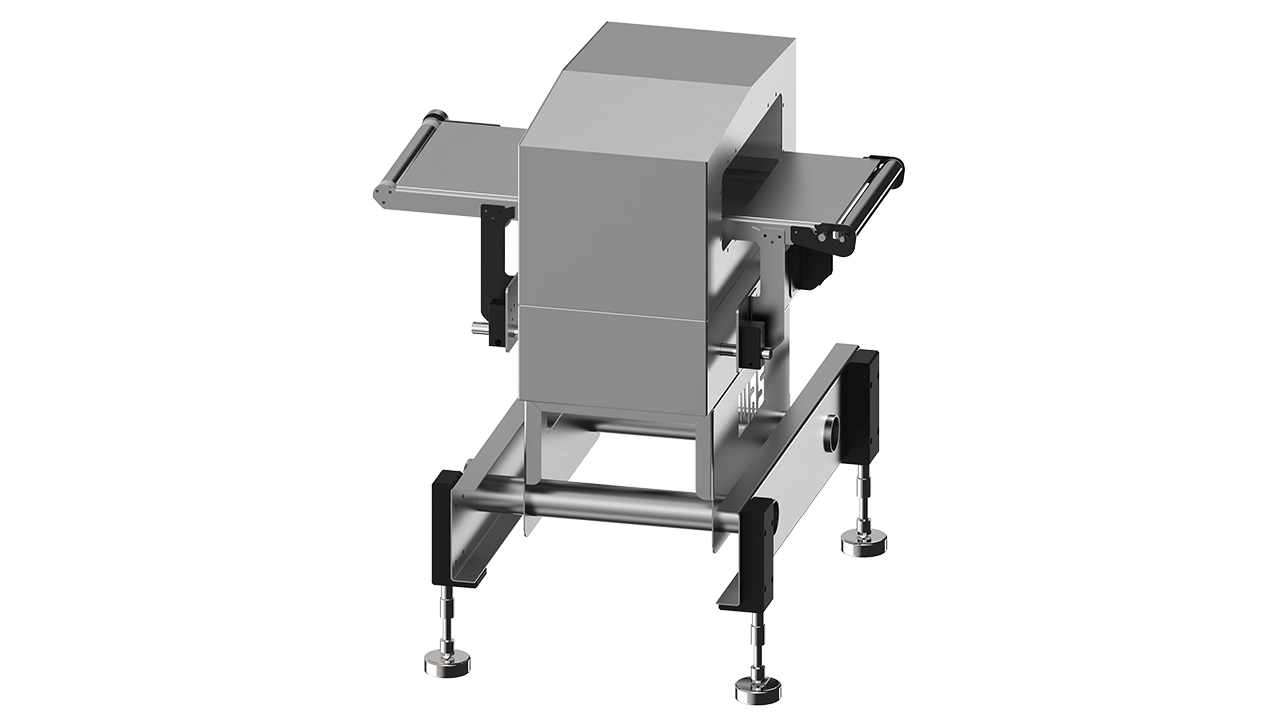
رایجترین مدل متال دتکتور صنعتی، فلزیاب سیستم نوار نقاله ای (کانوایری) است که به راحتی در هر خط تولید مواد غذایی قابل ادغام است، زیرا اندازهها، پیکربندیهای نوار و سنسور های متنوعی دارد. آلاینده ها میتوانند به صورت خودکار زمانی که توسط دستگاه های مختلف حذف آلاینده شناسایی میشوند، حذف شوند.
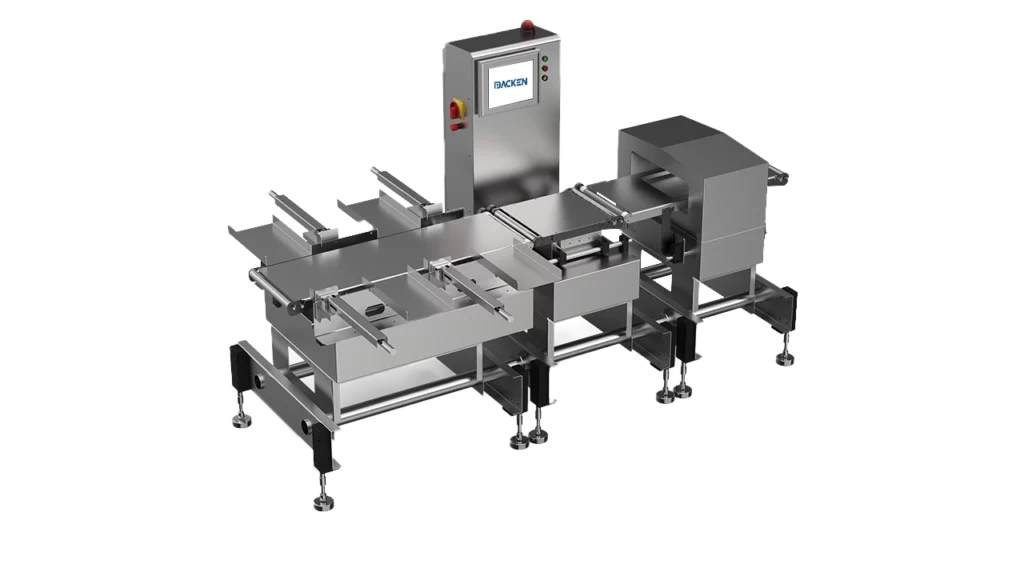
همانطور که به آن اشاره کردیم، استفاده از متال دتکتور ها در خط تولید مواد غذایی بسیار حائز اهمیت است؛ چراکه به محافظت از مصرفکنندگان کمک شایانی میکند. این دستگاه ها در طیف گستردهای از صنایع غذایی به کار میروند که در ادامه به آنها اشاره میکنیم:
سه گروه اصلی از آلاینده های فلزی وجود دارند که فلزیاب مواد غذایی میتواند آنها را تشخیص دهد. در جدول زیر اطلاعات کاملی را از انواع آلاینده های فلزی و خصوصیات هر یک از آنها ارائه کردیم:
| نوع فلز | نفوذپذیری مغناطیسی | رسانایی الکتریکی | سهولت تشخیص |
| آهنی | مغناطیسی | خوب | آسان |
| غیرآهنی (مس، سرب، آلومینیوم) | غیرمغناطیسی | خوب یا عالی | نسبتاً آسان |
| فولادضدزنگ | معمولاً غیرمغناطیسی | معمولاً ضعیف | نسبتاً دشوار |
طبق جدول بالا، توانایی یک متال دتکتور معمولی مورد استفاده در صنایع غذایی در شناسایی آلاینده های فلزی، به رسانایی و نفوذپذیری مغناطیسی آلاینده ها بستگی دارد:
اگر انواع دیگری از آلاینده ها (استخوان، پلاستیک، شیشه، سرامیک، سنگ) وجود دارند که باید شناسایی شوند، سیستم بازرسی اشعه ایکس برای مواد غذایی، قابلیتهای تشخیص پیشرفتهای را ارائه میدهد.
در صنایع غذایی، فلز یکی از رایجترین مواد خارجی موجود در محصولات است. قطعات فلزی ممکن است به طور ناخواسته وارد محصولات غذایی شوند و سلامت مصرفکنندگان را به خطر بیندازند. تولیدکنندگان محصولات غذایی باید خطر مواد خارجی موجود در غذا را به حداقل برسانند و آن را کنترل کنند. یکی از روشهای تشخیص آلودگی های فلزی محصولات غذایی استفاده از متال دتکتور است. علاوه بر محافظت از مصرفکنندگان، استفاده از این دستگاه سایر مزایای ذیل را به همراه دارد:
درک مکان قرارگیری متال دتکتور در کارخانجات تولید مواد غذایی برای استفاده موثر از آن ضروری است. فلزیاب ها را میتوان در سراسر فرآیند تولید مواد غذایی استفاده کرد، اما ازآنجاییکه آلاینده ها میتوانند تقریباً در هر نقطهای از خط تولید وارد محصولات شوند، بهترین مکان برای متال دتکتور انتهای خط تولید است. نصب این دستگاه در مکان نادرست میتواند آن را بیاثر کند و منجر به نادیده گرفتن آلودگی های ناخواسته شود. بازرسی مواد اولیه، بازرسی چندین نقطه کنترل بحرانی و آخرین بازرسی محصولات نهایی برای حفاظت بهینه از محصولات غذایی بسیار مهم هستند.
در صورتی که متال دتکتور برای محافظت از ماشین آلات به کار رود، مستقیماً قبل از دستگاه موردنظر نصب میشود. اگر مانند صنایع غذایی، حمایت از مصرفکننده هدف اصلی باشد، چندین نقطه بازررسی حائز اهمیت هستند. بازرسی مواد اولیه باعث میشود که ذرات فلزی قبل از شکسته شدن به قطعات کوچکتر که تشخیص آنها را دشوارتر میکند، از هم جدا شوند. بازرسی در «کنترل نقاط بحرانی» (HACCP) در طول فرآیند تولید توصیه میشود تا خرابی ماشین آلات (مانند شکستگی تیغهها) بهموقع تشخیص داده شود.
استاندارد تشخیص برای محصول نهایی به این صورت است که باید تمام ذرات کروی مغناطیسیِ برابر 2 میلیمتر و تمام ذرات ذرات کروی غیر مغناطیسیِ 5/2 میلیمتر و ذرات کروی فولادی ضد زنگ برابر 5/3 میلیمتر را شناسایی کند. فقط دتکتورهایی که این استانداردها را رعایت کنند، میتوانند برای خرید و نصب در خط بسته بندی مناسب باشند.
حساسیت فلزیاب ها تحت تأثیر عوامل مختلف محصولات غذایی است. بهطور کلی، عوامل ذیل بر حساسیت متال دتکتورها تأثیر میگذارند:
آشکارسازهای فلزی مواد غذایی در صنعت فرآوری مواد غذایی از محدودهای از فرکانس ها برای شناسایی آلاینده های فلزی در غذا استفاده میکنند. بهترین فرکانس بستگی به نوع فلز، موقعیت و جهتگیری فلز، و شکل فلز دارد. به عنوان مثال، فولاد ضد زنگ خواص مغناطیسی کمی دارد یا اصلاً ندارد، بنابراین برای شناسایی آن به فرکانس بالا نیاز است. فناوری اسکن چندگانه یکی از روشهایی است که به اپراتورها اجازه میدهد تا حداکثر پنج فرکانس از 50 کیلوهرتز تا 1000 کیلوهرتز را انتخاب کرده و به سرعت از آنها عبور کنند. این میتواند به طور قابل توجهی احتمال شناسایی را افزایش دهد و عملاً از فرار آلودگیها جلوگیری کند.
بسیاری از تولیدکنندگان مواد غذایی، نیاز به فلزیاب های صنایع غذایی را در تمام مراحل فرآیند تولید احساس میکنند. درنتیجه، بازار به سرعت در حال گسترش است و باعث تولید بیشتر و بیشتر متال دتکتور هایی میشود که بهطور خاص برای نیازها و اهداف مختلف طراحی شدهاند. با چنین فناوری پیشرفتهای، خصوصیات فلزیاب ها رو به افزایش هستند و همین امر انتخاب آنها را دشوار میکند. بهطور کلی، متال دتکتور ها باید دارای ویژگیهای زیر باشند:
قبل از انتخاب و خرید متال دتکتور مواد غذایی، باید بدانید که در کجای سیستم شما قرار میگیرد و چگونه میتوان از آن بهطور مؤثر استفاده کرد. متال دتکتورها طیف وسیعی از اندازه، طراحی و عملکرد را پوشش میدهند و شما میتوانید برخی از آنها را مطابق با نیازهای خود سفارش دهید. هنگام خرید فلزیاب به موارد ذیل توجه کنید:
با توجه به مزایایی که استفاده از متال دتکتورها برای تولیدکنندگان و همچنین مصرفکنندگان مواد غذایی به همراه دارند، این دستگاهها تمام موارد ذیل را تضمین میکنند:
متال دتکتور ها بخش مهمی از برنامه کنترل آلودگی مواد غذایی هستند. اگر آنها بهدرستی انتخاب، نصب، استفاده و نگهداری شوند، به بهبود کیفیت محصول و کاهش تلفات کمک خواهند کرد. این دستگاههای تشخیصی میتوانند آلودگیهای فلزی ناخواسته را در مواد غذایی شناسایی کنند تا سلامت مصرفکنندگان به خطر نیفتد.
ما در استیل غرب آسیا با سالها تجربه در تولید و نصب متال دتکتور های باکیفیت، ابزار و دانشی را در اختیار داریم که به شما کمک میکنند تا مناسبترین فلزیاب را برای سیستم خود خریداری کنید. فرقی نمیکند که در چه صنعت غذایی فعالیت میکنید، دستگاههای ما با محیط کاری شما تطبیق داده میشوند و دادههای قابل اعتمادی را درمورد میزان آلاینده های فلزی مواد غذایی تولیدی شما در اختیارتان قرار میدهند. بنابراین برای خرید بهترین و مناسبترین متال دتکتور به برند ما یعنی Packen اعتماد کنید. برای اطلاع از قیمت دستگاه و کسب اطلاعات بیشتر با کارشناسان ما در استیل غرب آسیا تماس بگیرید تا شما را راهنمایی کنند.